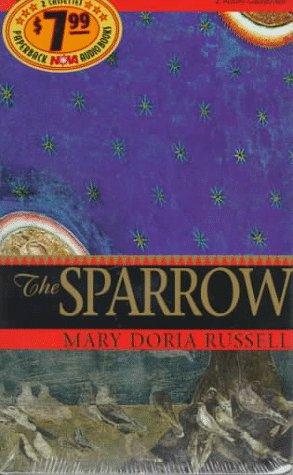
I’d known about this book for years without reading it, one of those titles that kept surfacing secondhand, a description of it I’d half remembered and then lost the name of entirely, so when I finally sat down with it I went in with expectations that had been marinating a while. It survived them, which almost never happens.
The setup is genuinely odd in the best way, the Society of Jesus funds and organizes the first human contact mission to a newly discovered alien civilization, acting entirely on its own authority, no government sign-off, and the book alternates between the mission itself and the aftermath, where we already know from page one that something went catastrophically wrong and only one member of the party, a priest, came back. That structural choice, knowing the ending’s shape before you know its content, is doing enormous work, every hopeful early chapter is shadowed by what you already know is coming.
I want to be honest that there is a stretch, late in the book, dealing with sexual violence, that several readers flag as genuinely difficult, one review I saw put it bluntly, that this isn’t entertainment, and I agree with that assessment even as I think the book earns the weight of what it’s doing rather than reaching for shock. It is not a book that cheers you up, and it’s not trying to be.
What surprised me most is how not-science-fictional it reads for most of its length, the alien contact premise is really a vehicle for a book about faith, guilt, and the specific horror of a genuinely good man walking, open-eyed, into a catastrophe he can’t yet see the shape of. Five stars, and I went straight into the sequel within the week, which for me is the real review.